Travel Documents 142: What If We Get It Right?
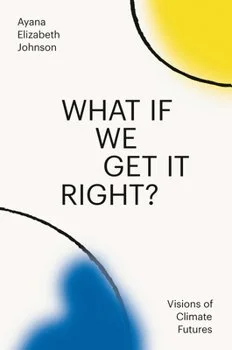
Genre: nonfiction, memoir, social change, climate journalism, cultural change, solarpunk
The Dust Cover Copy
Sometimes the bravest thing we can do while facing an existential crisis is imagine life on the other side. This provocative and joyous book maps an inspiring landscape of possible climate futures.
Through clear-eyed essays and vibrant conversations, infused with data, poetry, and art, Ayana Elizabeth Johnson guides us through solutions and possibilities at the nexus of science, policy, culture, and justice. Visionary farmers and financiers, architects and advocates, help us conjure a flourishing future, one worth the effort it will take--from every one of us, with whatever we have to offer--to create.
If you haven't yet been able to picture a transformed and replenished world--or to see yourself, your loved ones, and your community in it--this book is for you. If you haven't yet found your role in shaping this new world or you're not sure how we can actually get there, this book is for you.
With grace, humor, and humanity, Johnson invites readers to ask and answer this ultimate question together: What if we get it right?
The Scene

Discussion
If you’re feeling lonesome, get this work as an audiobook. If you’re feeling depressed that nothing’s getting any better and nothing’s changing, get this book. Because it will help you put everything in perspective.
The work is framed pretty much like a serial podcast without the commercials. With introductory passages from the author, this work collects a series of over thirty interviews on the nitty-gritty improvements we must make to all elements of our culture in order to heal the planet and salvage a livable biome for humans. Each conversation begins with a bit about the interviewee, and ends with several questions including:
How screwed are we?
What are the top three things you wish people knew?
What would it look like if we fixed it?
What is the least sexy/interesting thing we need to work on for a better world?
Beyond that most interviews are free-flowing conversations that bring to life facts and observations that are sometimes sobering, sometimes beautiful, sometimes disturbing. and always pointing us towards a better tomorrow.
The section introductions add a feature I particularly like: each one lists ten things in two lists: Ten Problems, IE what’s making it so hard to work towards a liveable ecological/economic system. And beside that, Ten Possibilities. So this book isn’t making you any promises about Utopia. It’s offering you reality, good and bad. It’s telling you ‘this is what is. And this is what is possible. Now we’re going to talk about what we do about that’.
For that, alone, it deserves a place on the bookshelf.
The Crowd

Host And Guests
The choices of guests and creative pieces to showcase for ‘What If’ were really spot on. I especially enjoyed the element of interdisciplinary effort. Interviewing a lot of people from a lot of fields was a stroke of genius, because you get to hear real people talking like real people instead of reading pages of polemic. The fact that Johnson thought to go beyond the usual coterie of scientist-geologist-engineer-public servant and go out to interview screen-writers on what an eco-romcom could look like, talk with educators and youth about how our education needs an overhaul, and speak to tribal members about what we can heal by just land improvement was absolutely huge. It’s that diversity that makes this book a cut above. And more than that, it’s the humanity of these interviews. You get to hear about what the guests’ day jobs really feel like. You’re not reading graphs, you’re hearing how the scientist felt the gut punch when they saw the numbers on ice melt rates. But you also hear the emotion in the guests’ voices when they talk about how good the world really could be. My only critique is that Johnson has a mildly irksome habit of interrupting the guests on the recordings, and I slightly winced at the repeated tendency. But that’s a pretty small review nit to pick.
The Lingo
Writing Style

Johnson did some great things with writing style for this piece. Personal reflections of the author keep the work here and now (she talks at one point about mourning a reef she swam at her father’s house as a child, and that hits home viscerally. All of us can understand how bad things are when you can’t go home to the childhood places you love again) And she allows her guests to do the same, which makes them human beings in conversation instead of expert talking heads. That really makes the difference between this work being an Important Treatise On The Crisis, and a companionable book that makes you remember that you’re not alone in this. This book because it is a conversation, and it brings you into the conversation. Reading it makes you feel like you’re sitting in on a really good after-hours bar conversation between the attendees at a climate convention. You feel included in a community of people doing lots of things to help heal this planet when you’re taking in these interviews. And, like the best cons, this collection reminds you that you aren’t alone. This book reminds you that there are lots of people out there doing the work you care about too. As an audiobook, it’s wonderful chatty and yet deeply powerful listen that keeps you thinking about environmental improvement without making you yawn (and like I said, the lack of ads is a huge bonus).
The Moves

Flow
The layout intermixes the interviews with art and poetry, which makes the work flow in a refreshing and continually vibrant manner for listeners.
As a visual work, What If is an accessible read. Since it’s broken into so many discrete sections, another one of its virtues is that you can pick up and set down in any moment you’ve got free. It may look like a massive doorstop of a book, but it’s actually a pretty breezy read. And yet lines out of it will stick with you long after the book’s back on the shelf. Oh, and there are some amazing pictures. Did I mention the pictures?
THE PICTURES
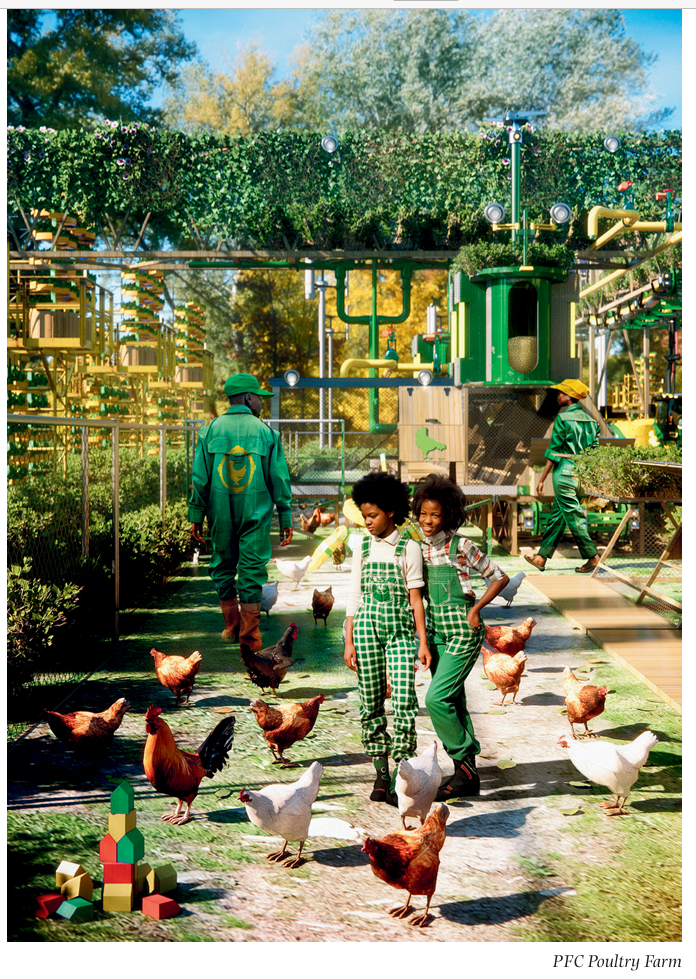
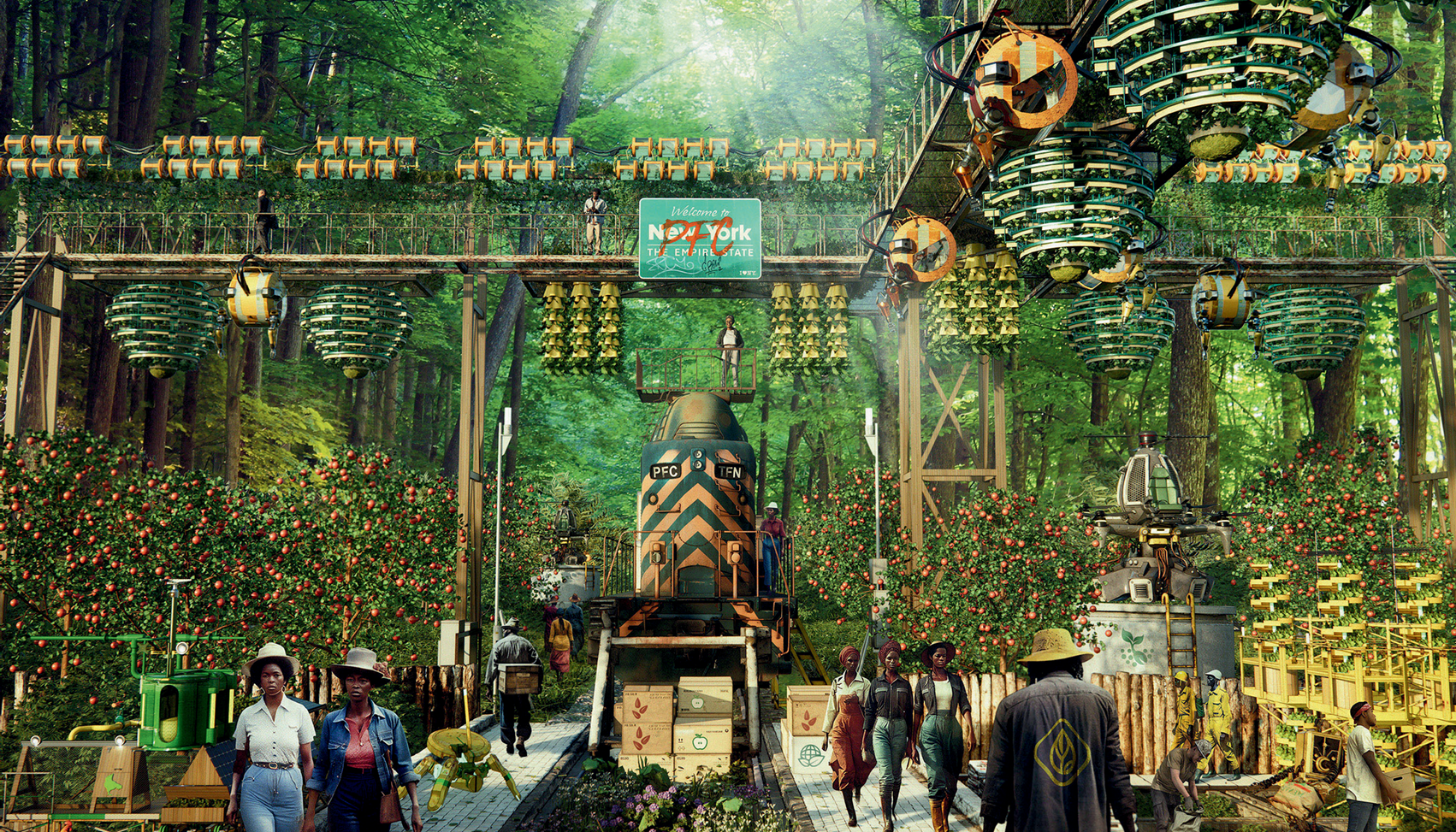
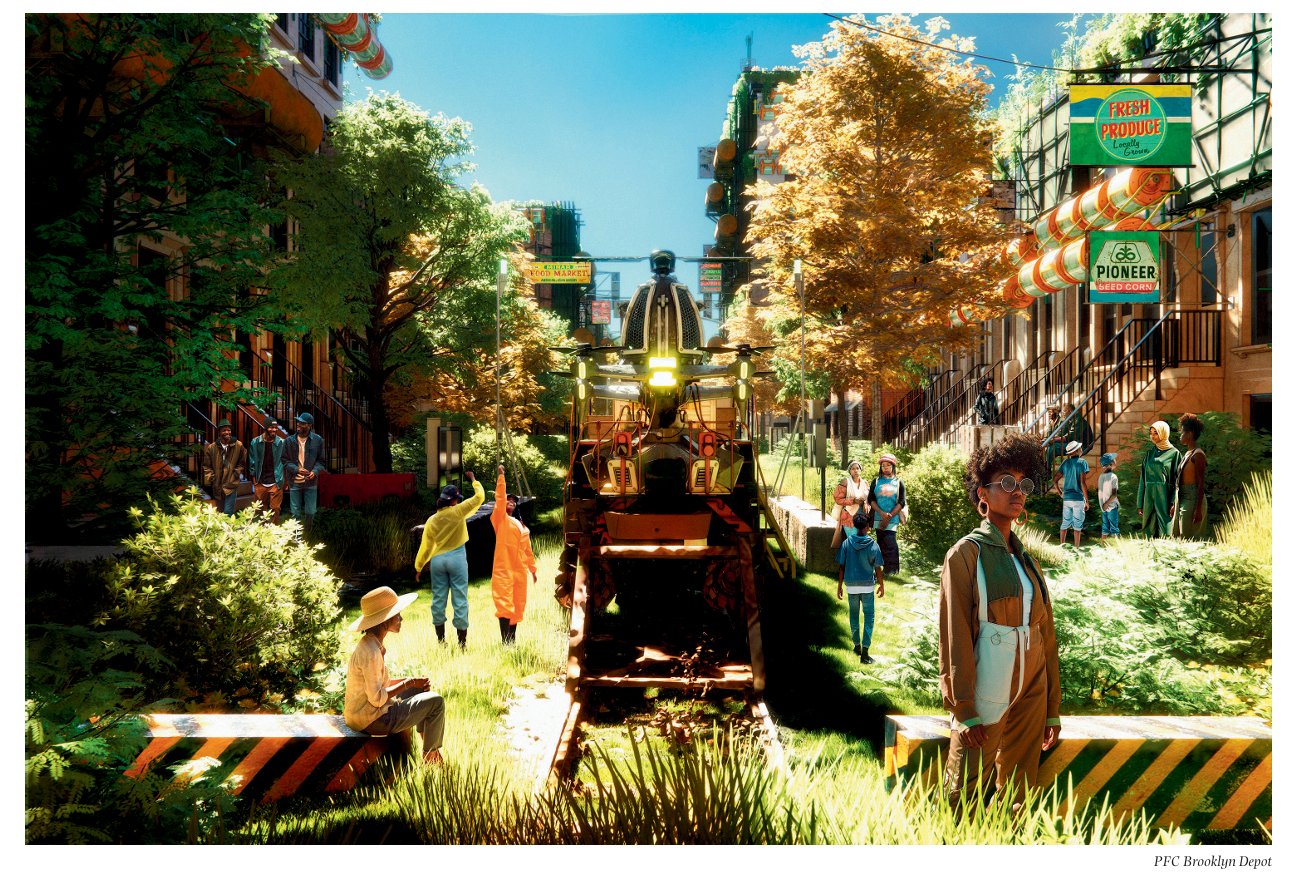
This future, I want to live in.
Overall Rating
A valuable connection with the possibilities of the present and the future. Pick it up when you feel like you’re all alone. It helps.